Halton Borough Council has been awarded Tree City of the World status for its ongoing commitment to planting, growing and maintaining trees to benefit the community.
The Tree Cities of the World programme is a joint partnership between the Arbor Day Foundation and FAO (Food and Agriculture Organisation), an agency of the United Nations.
Halton’s application highlighted the Council’s dedication to the planting, stewardship, and long-term care of its trees. Securing this status is acknowledgment of its dedicated work over the past 12 months to protect and enhance Halton’s green environment.
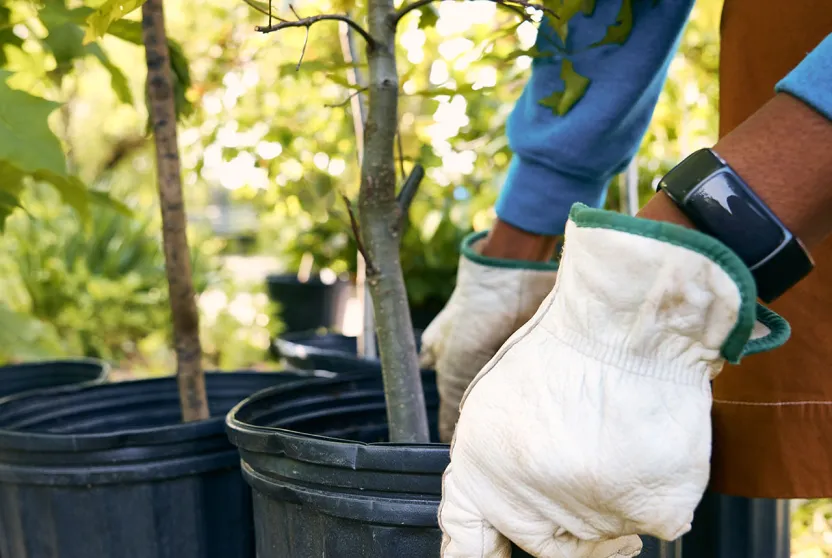
It was a busy year – Halton rejoined the Mersey Forest Partnership, supported The Conservation Volunteers and Butterfly Conservation to plant hedgerows and trees at Wigg Island, held community planting events on allotment orchards, and planted over 50,000 trees as part of the Big Halton Forest.
Healthy tree populations support native species, strengthen ecosystems, and help mitigate the impacts of climate change. They also contribute to cleaner air by absorbing carbon, reduce local flood risk by capturing rainfall, and offer residents meaningful opportunities to connect with nature whilst boosting both physical and mental wellbeing.
Becoming a Tree City of the World demonstrates to residents and visitors that Halton places significant value on its trees, natural landscapes, and the wider environment through initiatives such as the Big Halton Forest. Achieving this status also enhances the borough’s global profile and opens up opportunities for valuable resources, partnerships, and celebration of the Council’s work.
Notes:
The Arbor Day Foundation is a United States-based global nonprofit that has helped plant more than 500 million trees in cities, towns, and forests across more than 60 countries since 1972. The international Tree Cities of the World programme is jointly operated by FAO and recognises cities and towns that leverage urban forestry to enhance the livability and sustainability of their local area. FAO is an agency of the United Nations that leads international efforts to address food security and also seeks to restore forests, improve the lives of forest-dependent people, and support countries to manage their forests in a sustainable way.
To earn Tree Cities of the World recognition, you must uphold five core standards: Establish responsibility for the care of trees; enact a law or policy that governs the management of trees and forests; maintain an updated assessment of local tree resources; allocate resources for a tree management plan; and hold an annual celebration of trees to educate local residents.